

Memory Efficiency in LLMs: Study Summary
How context length, KV-cache growth, and attention choices trade memory, latency, and recall in LLMs—practical fixes for local setups.
Updates, guides, and insights
Showing
How context length, KV-cache growth, and attention choices trade memory, latency, and recall in LLMs—practical fixes for local setups.
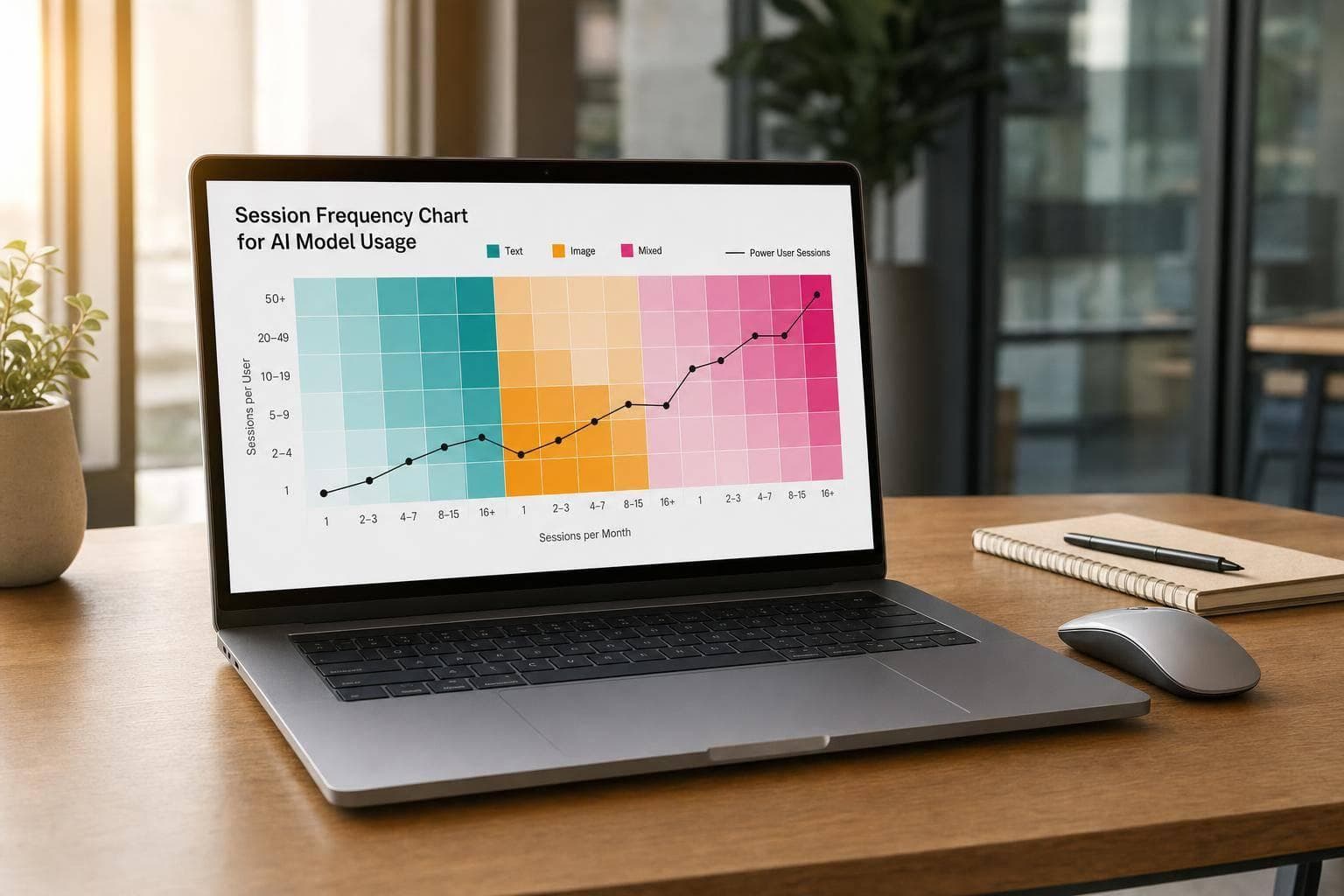
Build and read a session frequency chart to spot retention gaps across text, image, and mixed AI workflows and track power-user trends.

Smaller INT8 ONNX models don't guarantee faster inference—pick dynamic or static quantization based on model type, data, and hardware.

Compare local, cloud, hybrid, and selective-sync AI storage—tradeoffs in speed, privacy, cost, and sync.

Fail closed on bad data, retry only safe errors, and make every pipeline step restartable to prevent outages and costly retries.

Edge offers sub-50 ms latency and lower bandwidth at higher upfront cost; cloud gives pay-as-you-go scaling for light, bursty workloads.
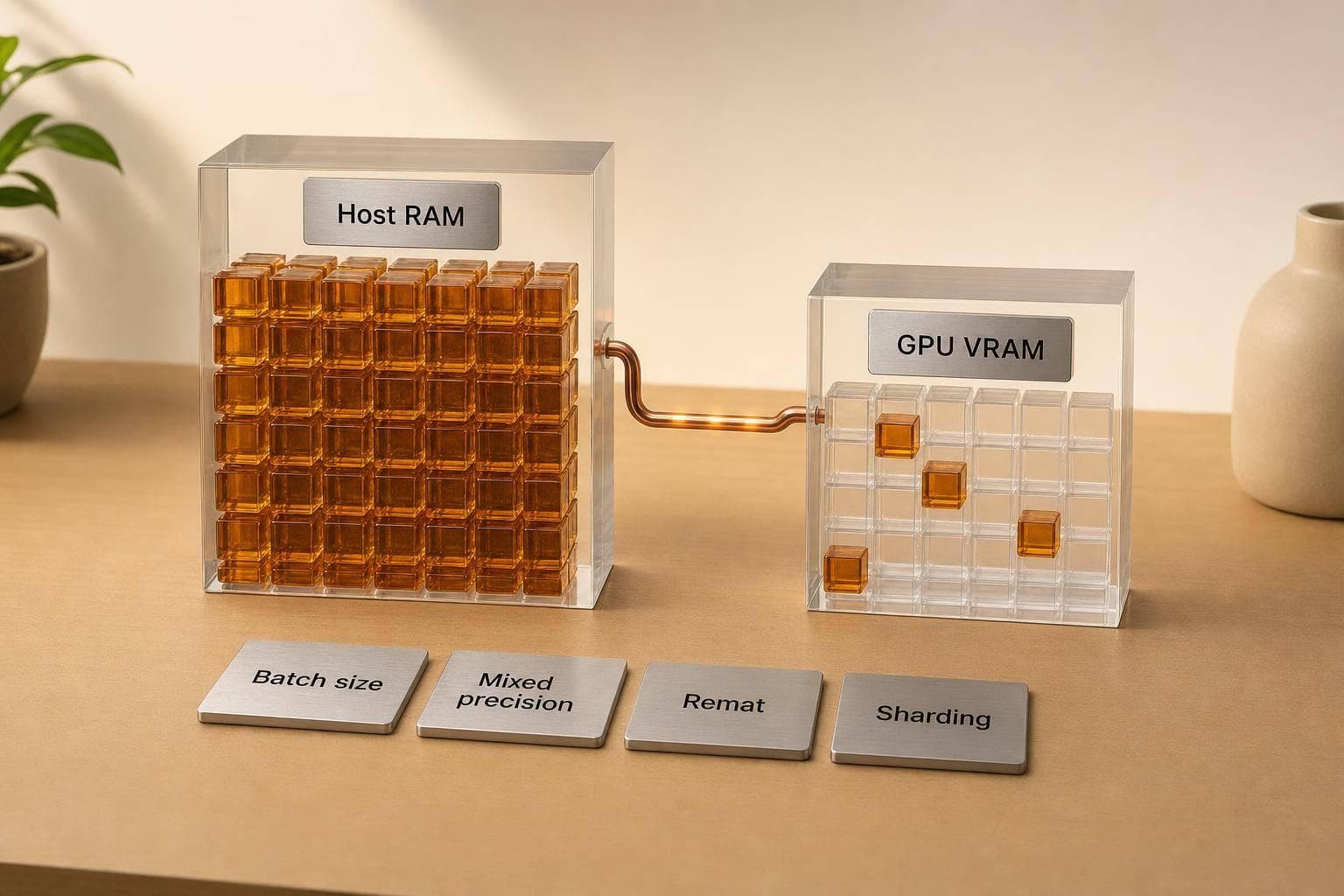
Explains why JAX reserves GPU memory, how to diagnose host vs device OOM, and fixes: batch size, mixed precision, remat, sharding.

Protect uptime first: use small models, caching, batch/live separation, tool offload, metrics-based routing and failover.

Treat mTLS as the front door: issue client certs, enforce CA trust and revocation, map cert identity to access, and test failure cases.

Adapting labeled models to unlabeled target data fixes domain shift using alignment, adversarial training, and pseudo-labels.