
ChatGPT vs Gemini: Best AI for Teacher Development
One AI fuels creative lesson design; the other streamlines research and Google Workspace workflows.
Updates, guides, and insights
Showing
One AI fuels creative lesson design; the other streamlines research and Google Workspace workflows.

Five async techniques—gather, as_completed, semaphores, async RLHF, and batch inference—to cut AI latency and scale LLM workloads.

Guide to adversarial regularization: min-max training, FGSM vs PGD, implementation tips, trade-offs, and best practices for robust models.
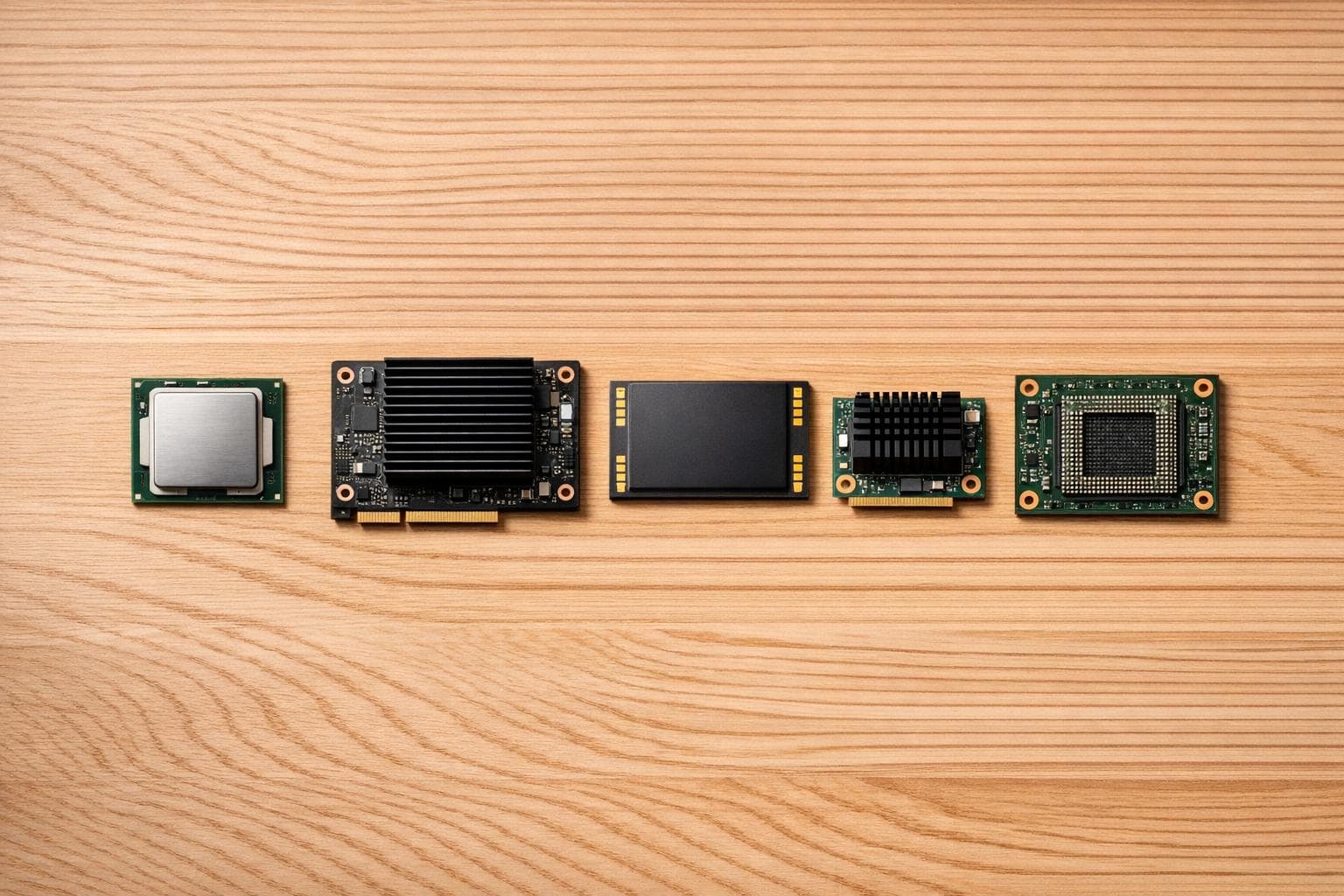
Compare CPUs, GPUs, TPUs, NPUs and FPGAs to choose the best hardware for AI training, inference, cost, and energy efficiency.

How self-, cross-, and joint-attention power Stable Diffusion, plus efficiency trade-offs and advances for high-res image generation.
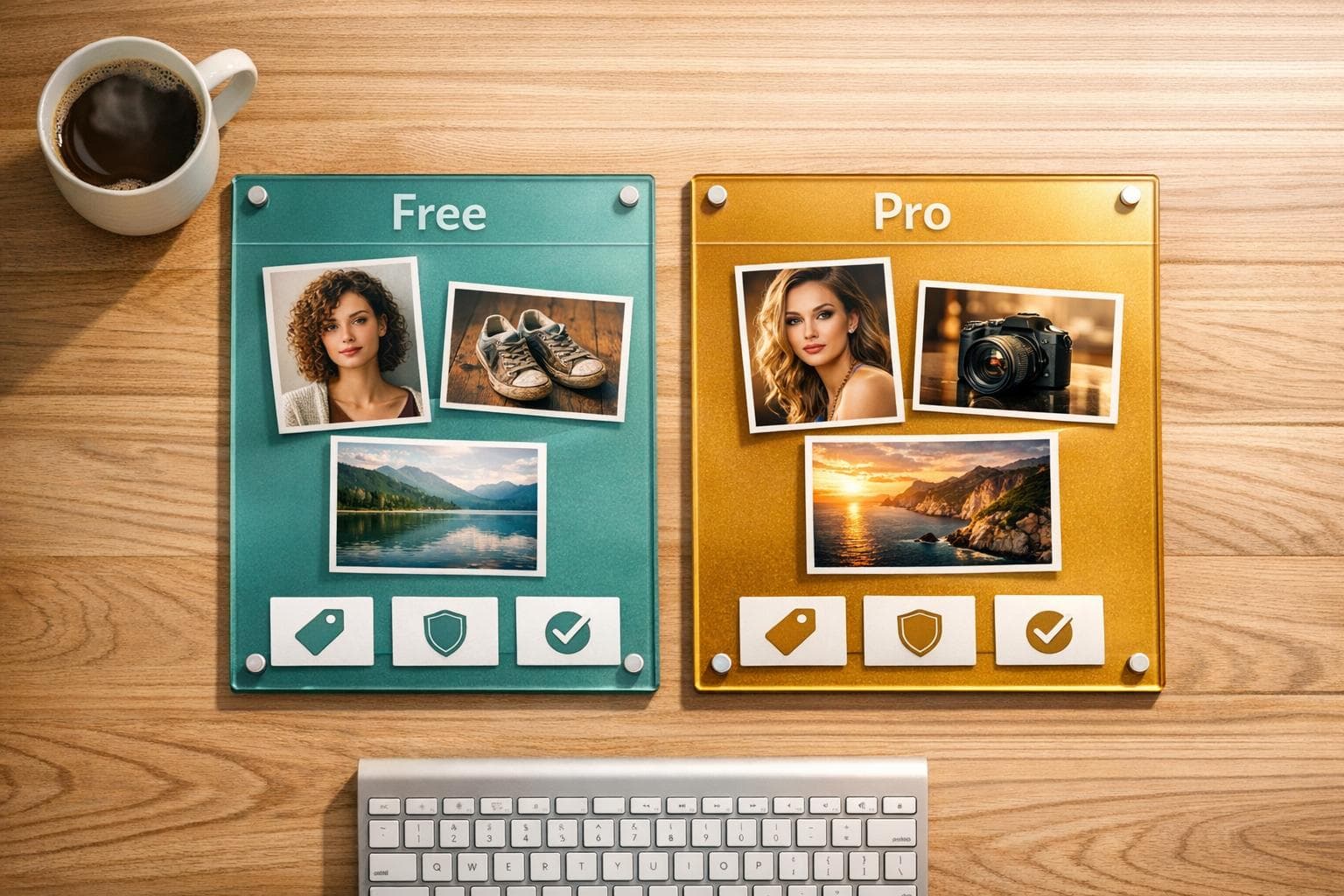
Compare top free and paid AI image generators in 2026 — features, pricing, privacy, and best use cases.

Compare nine major AI governance frameworks and learn how to layer standards for compliance, risk management, and responsible AI.
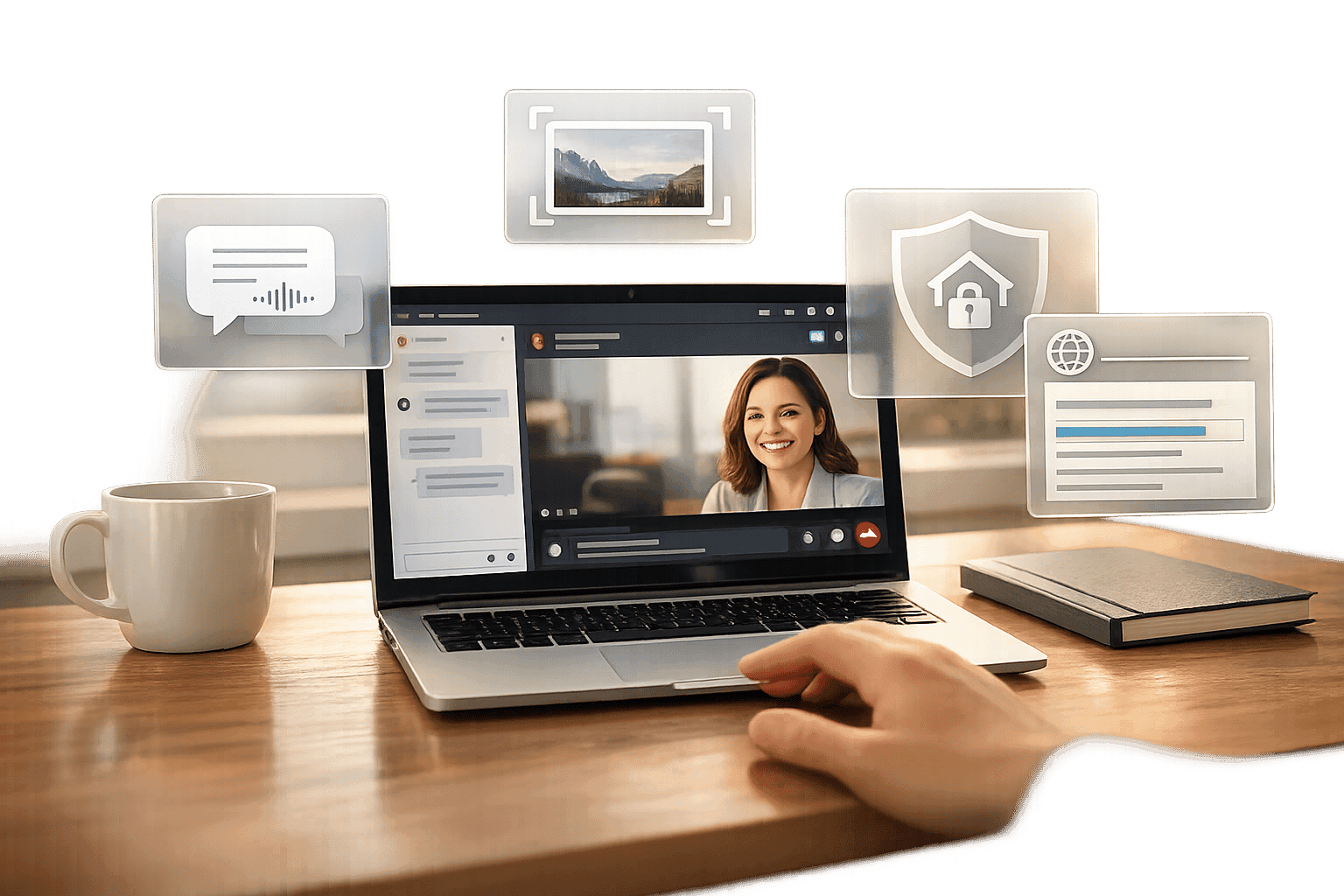
Integrate conversational and image AI into Skype for Business to automate workflows, secure data locally, and enable real-time web searches.

Compare active-passive, active-active, predictive, Kubernetes, and serverless failover methods to keep AI workloads resilient.

Learn how OAuth 2.0 token revocation works, the revocation endpoint, access vs refresh token effects, and JWT strategies.