
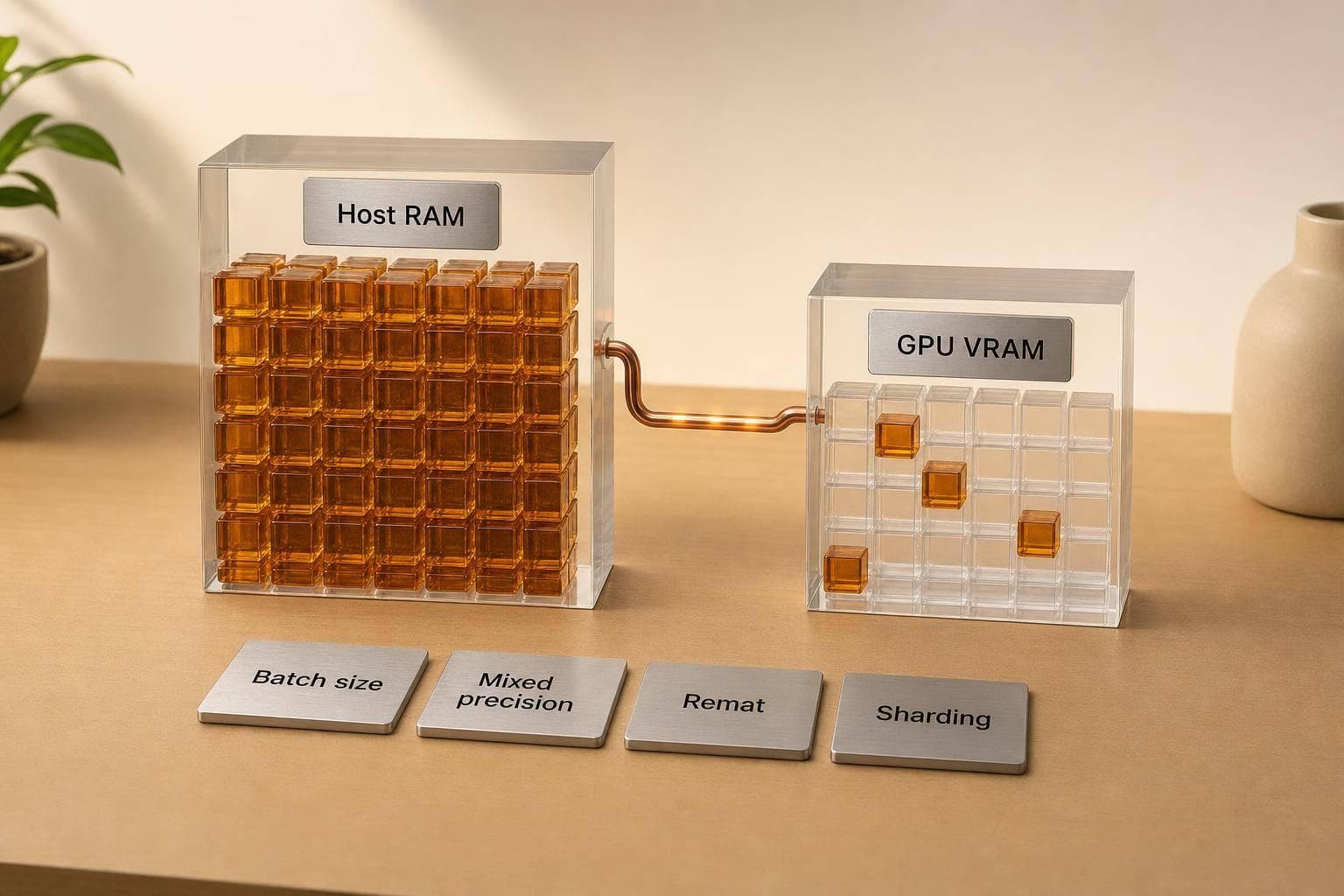
JAX Memory Management Q&A
Explains why JAX reserves GPU memory, how to diagnose host vs device OOM, and fixes: batch size, mixed precision, remat, sharding.
Updates, guides, and insights
Showing
229 posts found for 'models'
Explains why JAX reserves GPU memory, how to diagnose host vs device OOM, and fixes: batch size, mixed precision, remat, sharding.

Protect uptime first: use small models, caching, batch/live separation, tool offload, metrics-based routing and failover.
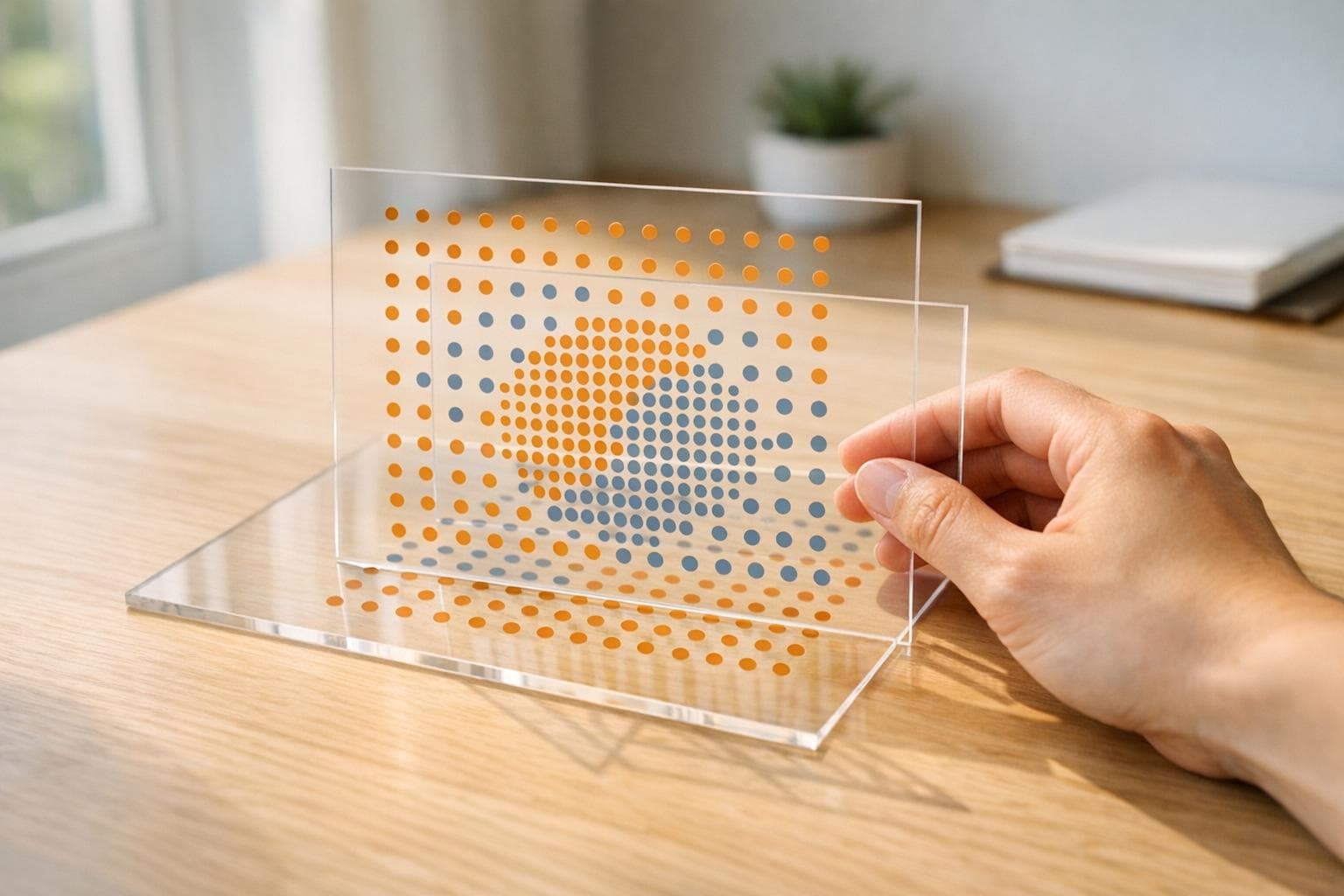
Adapting labeled models to unlabeled target data fixes domain shift using alignment, adversarial training, and pseudo-labels.
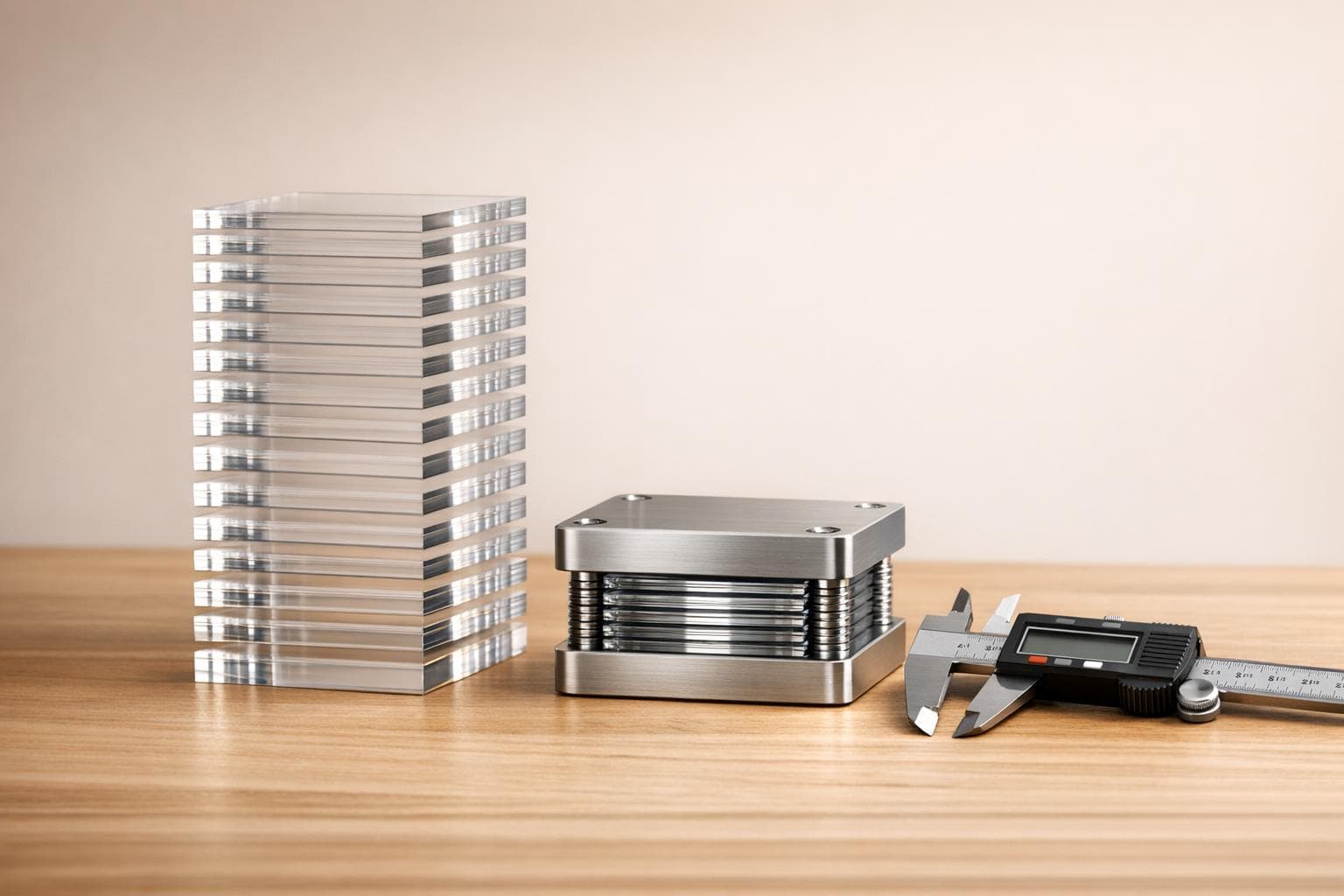
Compress ONNX models to cut size and latency with quantization, pruning, and mixed-precision—practical tools and deployment tips.
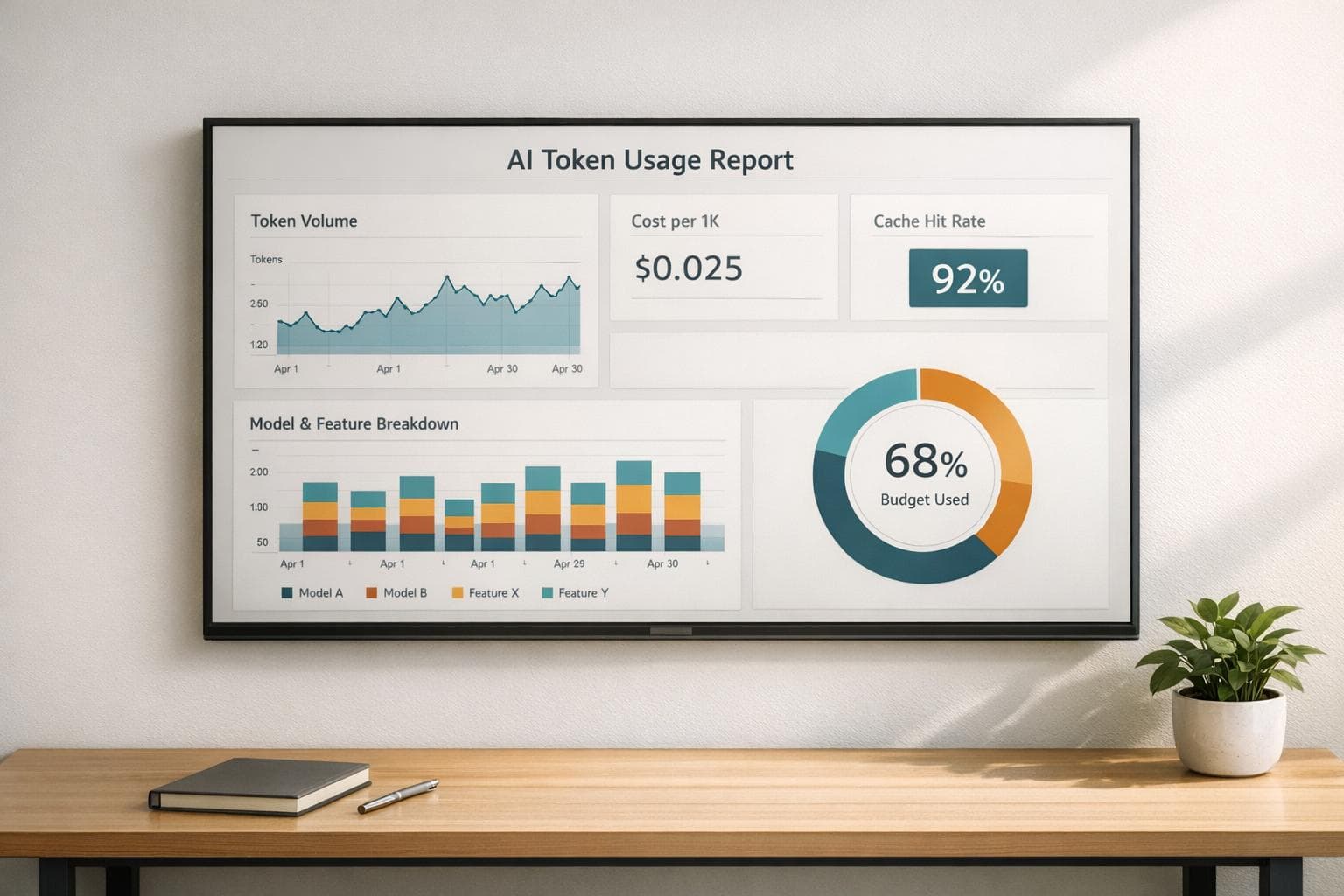
Build clear AI token usage reports with token volume, cost per 1K, model/feature breakdowns, cache hit rates, and budgeting.
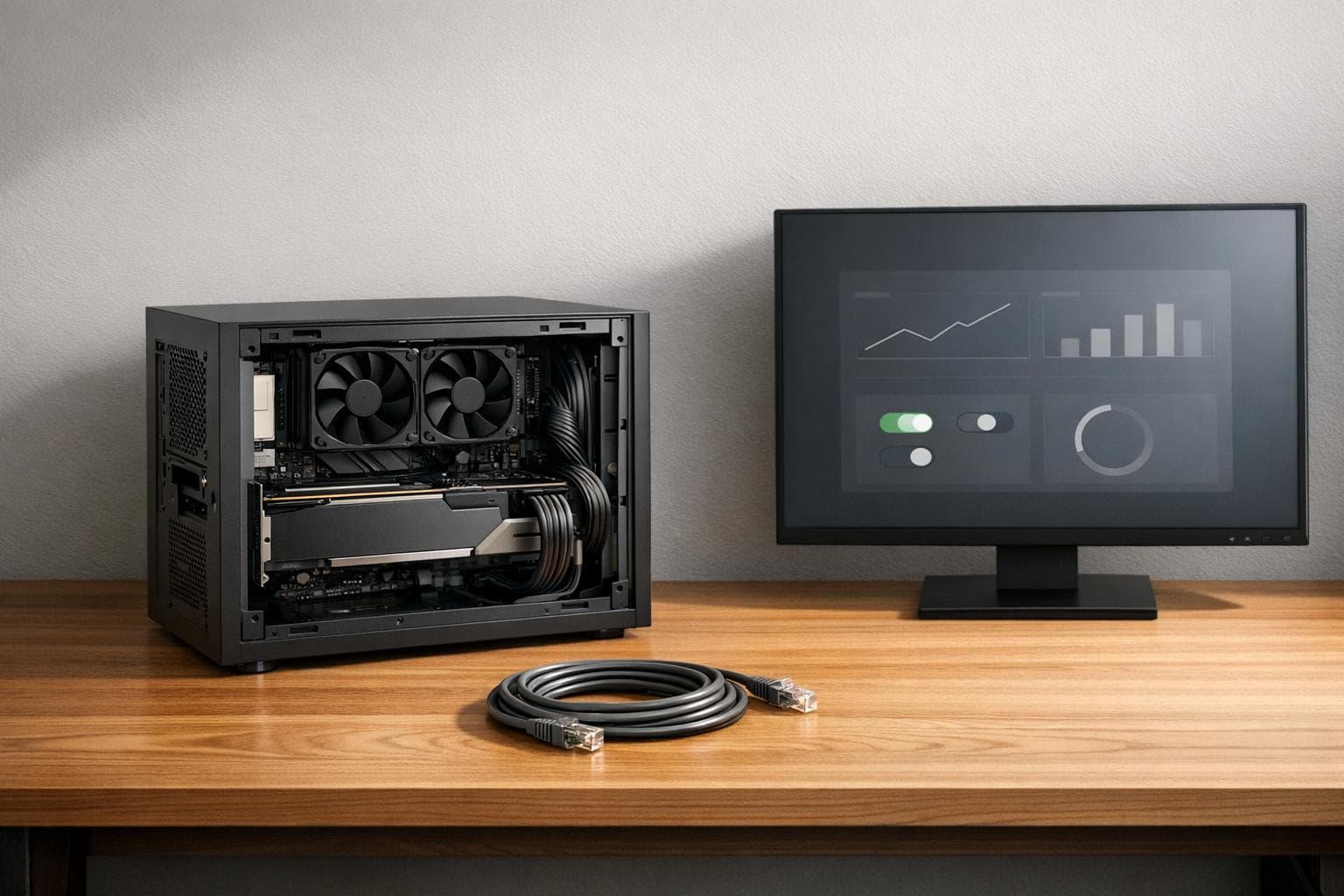
Run AI models locally for privacy, lower latency, and cloud-free performance — hardware, quantization, GGUF formats, and tools.

Compare local, cloud, and enterprise AI retention options, risks, and best practices for regulatory compliance.
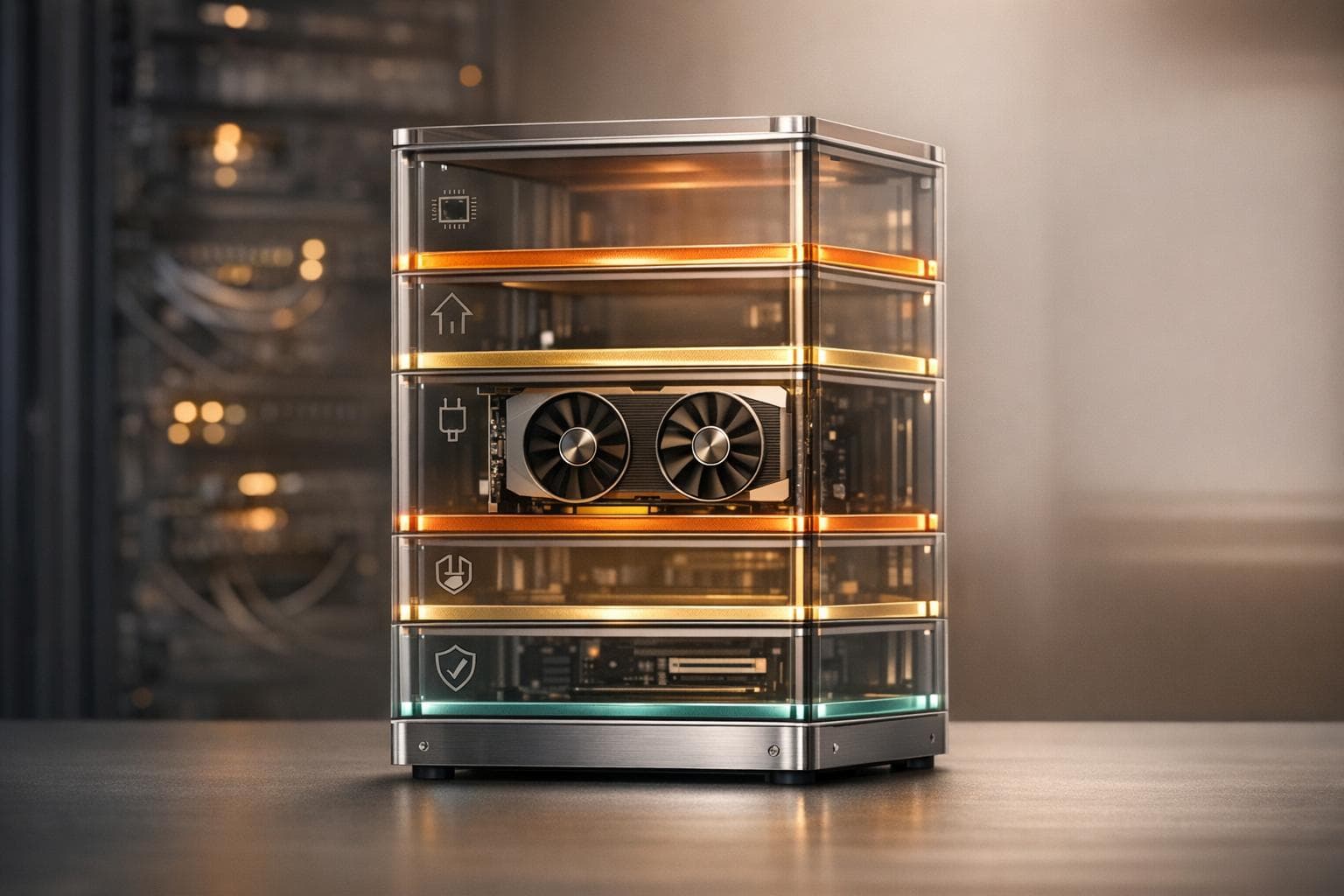
Compare the top five containerization tools for GPU-accelerated AI, covering GPU support, scalability, integrations, and security.
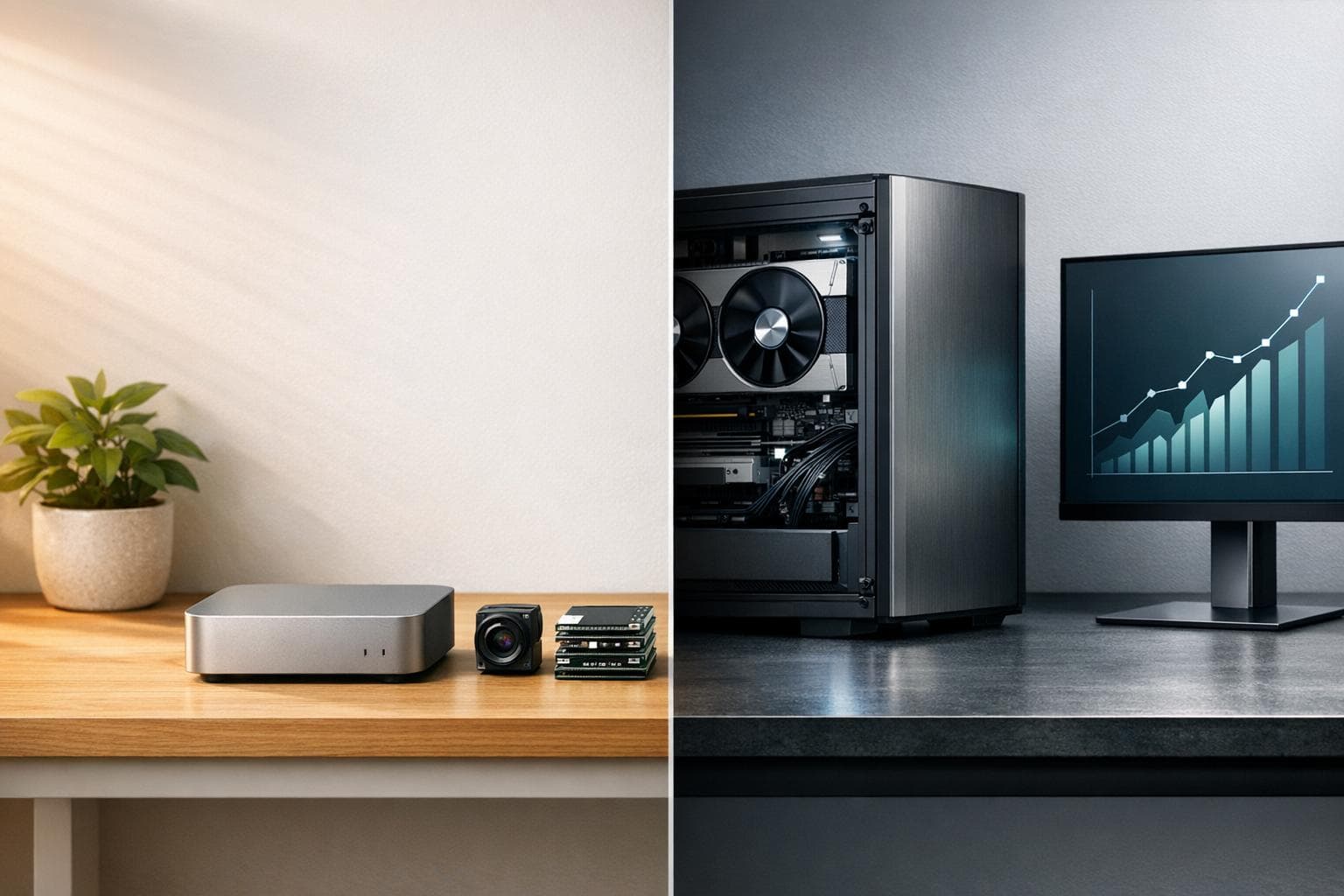
Compare ARM and x86 for AI workloads — ARM for energy-efficient edge inference; x86 for high-performance training and GPU-heavy tasks.

Retry transient errors with backoff, monitor tokens/latency, and secure access to reduce Azure OpenAI API failures and costs.